As Malaysia assumed the chairmanship of ASEAN starting 1 January 2025, the ASEAN Socio-Cultural Community (ASCC) sets five key priorities that guide our path forward:


ASEAN SOCIO-CULTURAL COMMUNITY 2025
Introduction
The ASEAN Socio-Cultural Community (ASCC) Council Meeting is a scheduled Ministerial level meeting organised twice a year to discuss key socio-cultural issues in the ASEAN region. Supported by Senior Officials Committee for the ASCC (SOCA) meetings, ASCC advances ASEAN's socio-cultural agenda through regional projects, cultural exchange, and partnerships with international organisations. The ASEAN Socio-Cultural Community is the result of the ASEAN Concord II Declaration (Bali Concord II) in Bali, Indonesia on 7 October 2003 which agreed to realise the ASEAN Vision 2020 through the creation of the ASEAN Community by 2020. To ensure that ASEAN develops as a more effective, integrated, rules-based and people-oriented regional organisation, the ASEAN Charter was drafted and signed by the ASEAN Member States at the 13th ASEAN Summit on 20 November 2007.
The ASEAN Charter, which came into effect on 15 December 2008, stipulated that three main communities would be established, namely the Political and Security Community, the Economic Community and the Socio-Cultural Community, all of which aim to create peace and stability in the ASEAN region. The ASEAN Charter, among others also requires the ASEAN Chairman to host 2 ASEAN Summits and Related Summits, Meetings of the ASEAN Coordinating Council, Meetings of the 3 ASEAN Community Councils, Meetings of ASEAN Sectoral Bodies at Ministerial level and Meetings of the ASEAN Permanent Representatives Committee. The ASEAN Community Council consists of the ASEAN Political-Security Community Council, the ASEAN Economic Community Council and the ASEAN Socio-Cultural Community Council.







In conjunction with the ASEAN Chairmanship 2025, MOTAC will host 23 meetings and programmes across Malaysia, including in Sabah and Sarawak as follows:
- The 6th ASCC Secondment Officers Meeting
- A Gift from ASEAN
- ASEAN Creative Economy Symposium 2025
- Senior Officials Committee for the ASEAN Socio-Cultural Community (SOCA) Retreat
- ASCC Ad Hoc Working Group to Develop the ASCC Post-2025 Strategic Plan
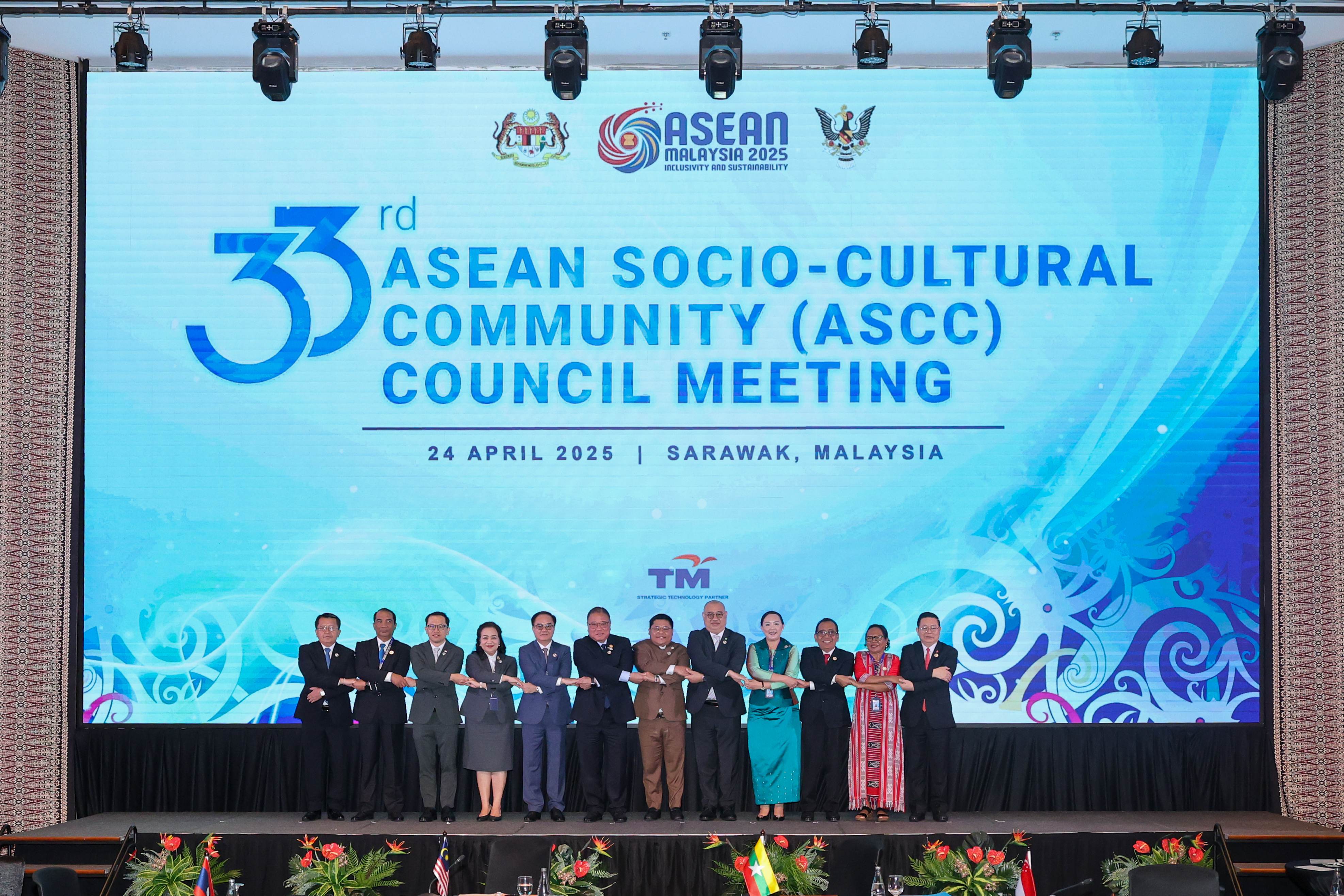
- 33rd ASEAN Socio-Cultural Community (ASCC) Council Meeting
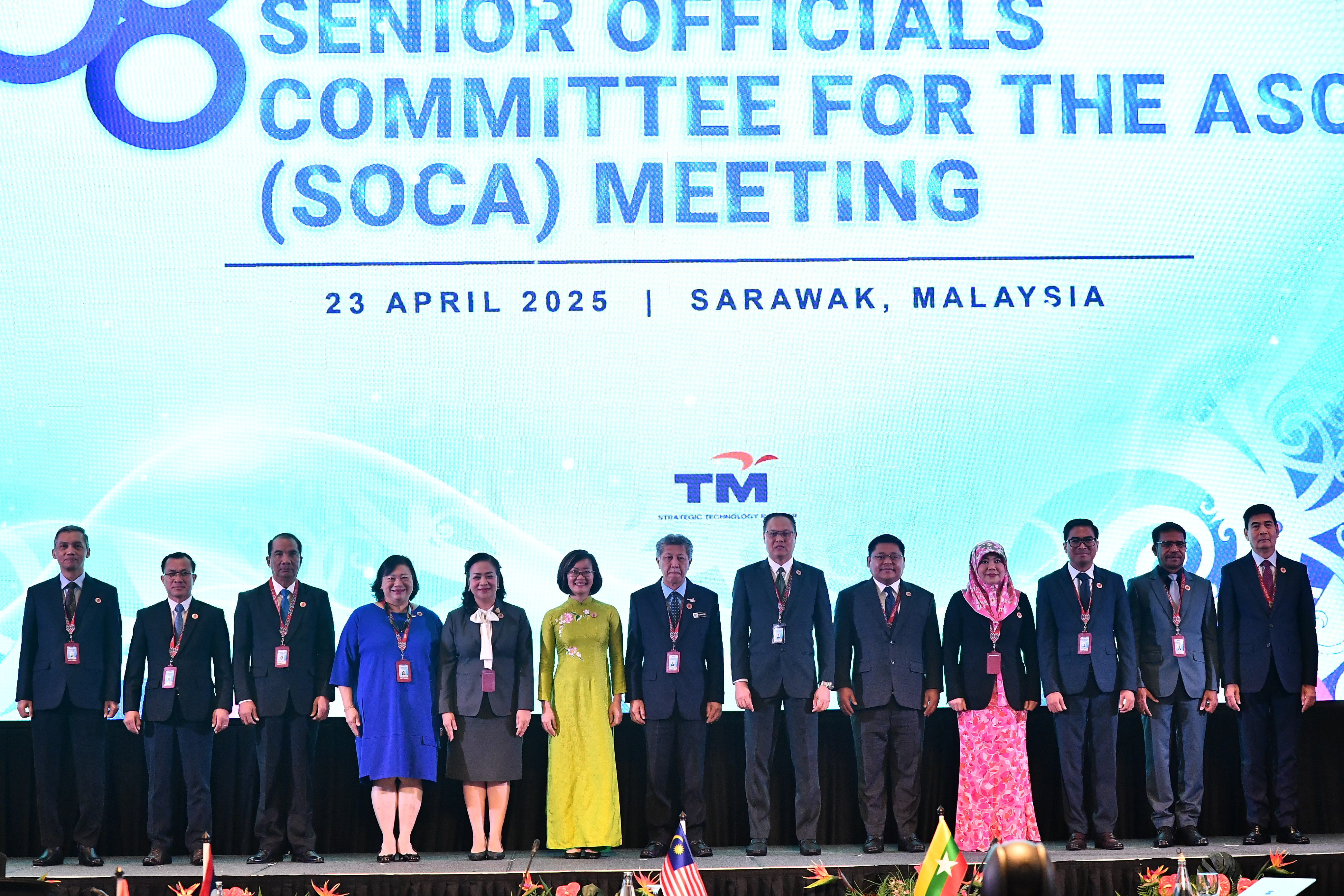
- 38th Senior Officials’ Committee for ASCC (SOCA) Meeting
- ASEAN-India Artist Camp (Exhibition)
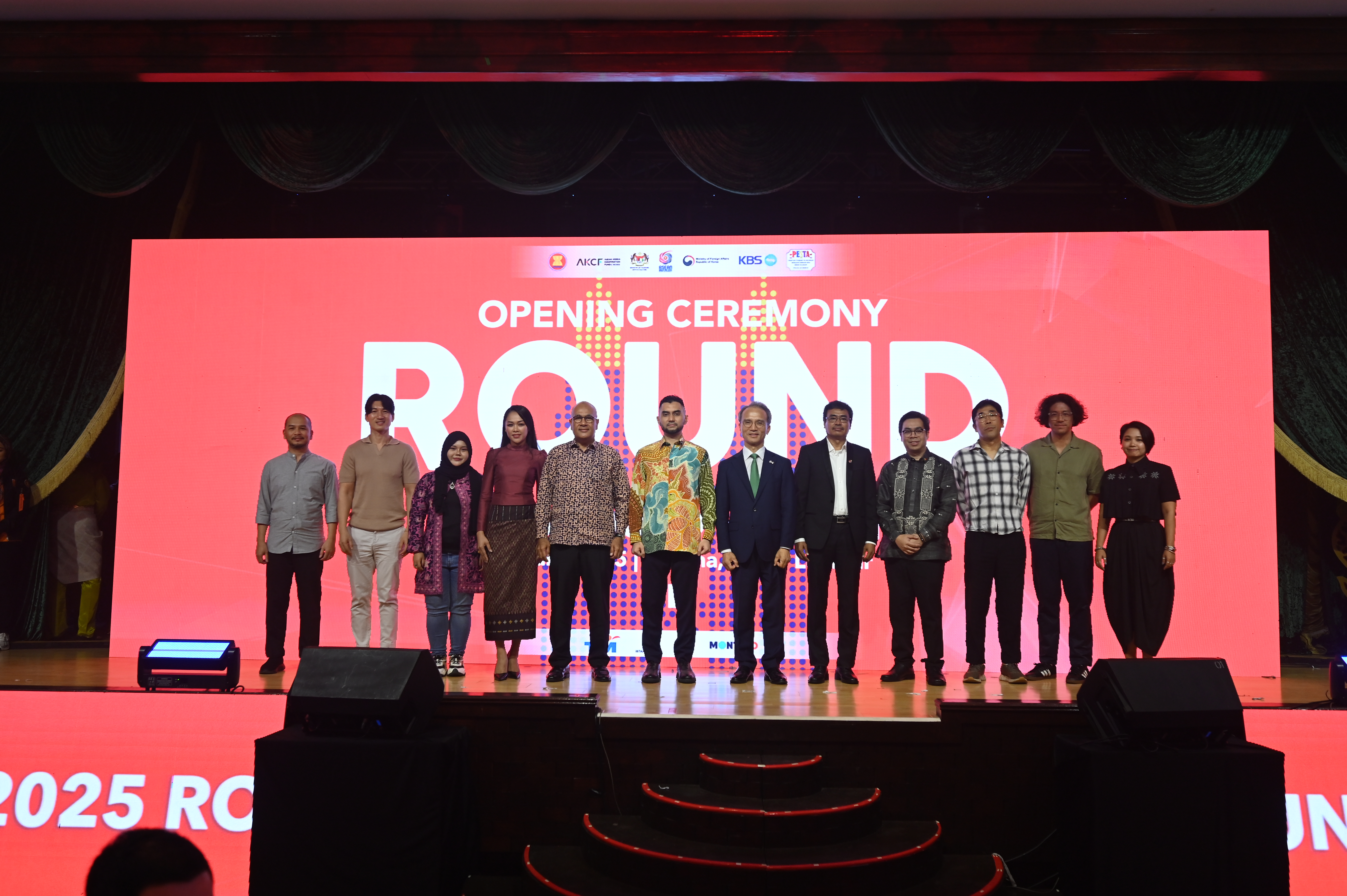
- ASEAN Korea Music Festival (ROUND 2025)
- Isle to Isle: A Reflection of BIMP-EAGA Through Contemporary Art
- International Workshop On The Melaka Declaration On Cultural Heritage Value Creation
- ASWARA International Arts & Culture (ASIAC'25)
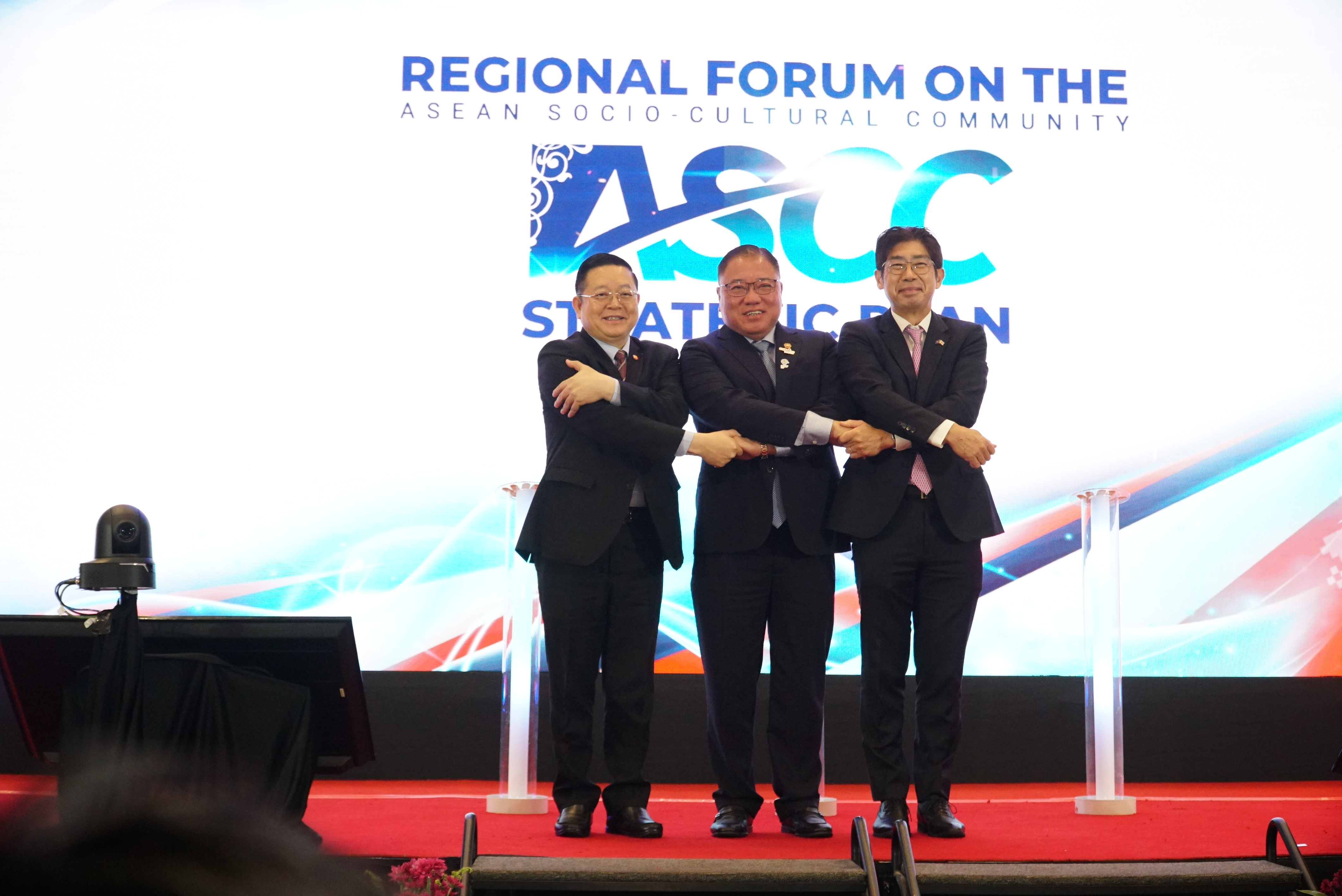
- Regional Forum on ASCC Strategic Plan
- ASEAN Corner @ Malaysia Cultural Festival
- 8th Meeting of the ASEAN Working Group on Culture of Prevention (8th WG on COP)
- 21st Coordinating Conference on the ASEAN Socio-Cultural Community (21st SOC-COM)
- 34th ASEAN Socio-Cultural Community (ASCC) Council Meeting
- 39th Senior Officials’ Committee for ASCC (SOCA) Meeting
- ASEAN Socio-Cultural Community (ASCC) Summit
- ASEAN Arts & Crafts Bazaar
- Best of ASEAN Performing Arts
- The 7th Working Committee Meeting for ASEAN-ROK Cultural Heritage Cooperation
- 21st Senior Officials’ Meeting for Culture and the Arts (SOMCA) & 21st SOMCA +3
There are 15 sectoral bodies under the socio-cultural pillar:
EXPLORE MALAYSIA
WELCOME TO MALAYSIA
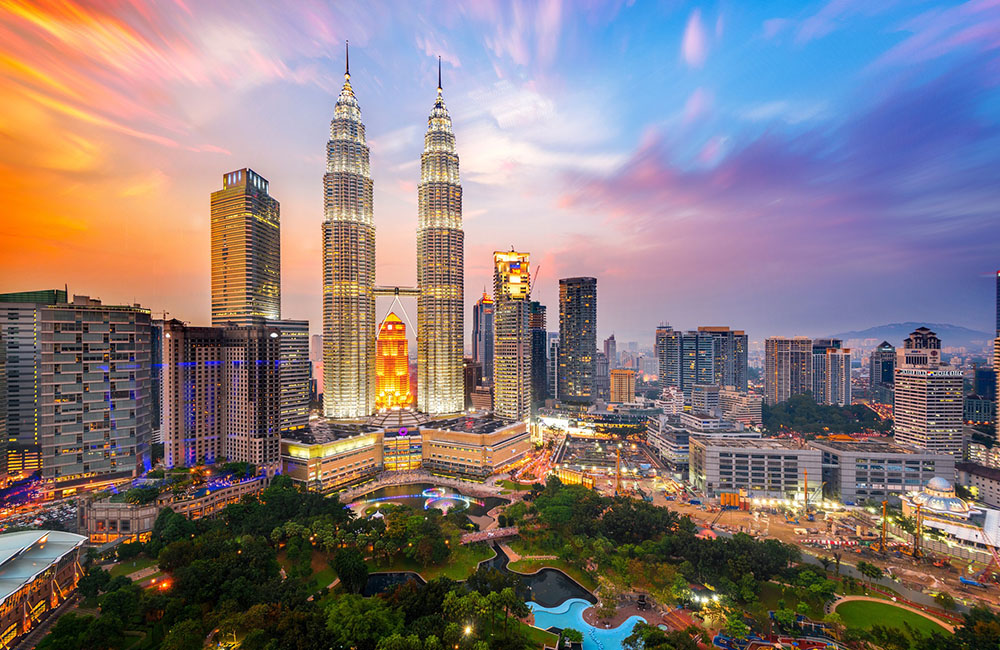
Malaysia is a country in Southeast Asia made up of two main regions: Peninsular Malaysia and East Malaysia (on the island of Borneo). The country is known for its diversity in race, culture, language, and religion, all living harmoniously.
| Capital City | Kuala Lumpur (Administrative capital: Putrajaya) |
|---|---|
| Population | Approximately 33 million (as of 2024) |
| Official Language | Malay (Bahasa Malaysia) |
| Official Religion | Islam |
| System of Government | Constitutional Monarchy and Parliamentary Democracy |
| Currency | Malaysian Ringgit (MYR) |
Malaysia is a founding member of ASEAN since 1967 and plays a key role in various areas such as economy, culture, education, and sustainable development in the region.
| Component | Description |
|---|---|
| Malaysia's Key Focus Areas |
|
| Background of ASEAN 2025 |
ASEAN 2025 is a strategic vision for regional cooperation from 2016 to 2025, built upon the following three pillars:
|
Explore the States of Malaysia!
Zoom in to get a closer look, move your cursor over the state, and click to visit its portal.
GALLERY
Our Photo Gallery


.jpg)


×
❮
ASEAN CHAIRMANSHIP
- LOGO
- Meaning of the Logo
- Logo Colors
- Malaysia MADANI Narrative
- Symbol of Inclusivity
- Symbol of Sustainability
- Symbol of ASEAN Centrality

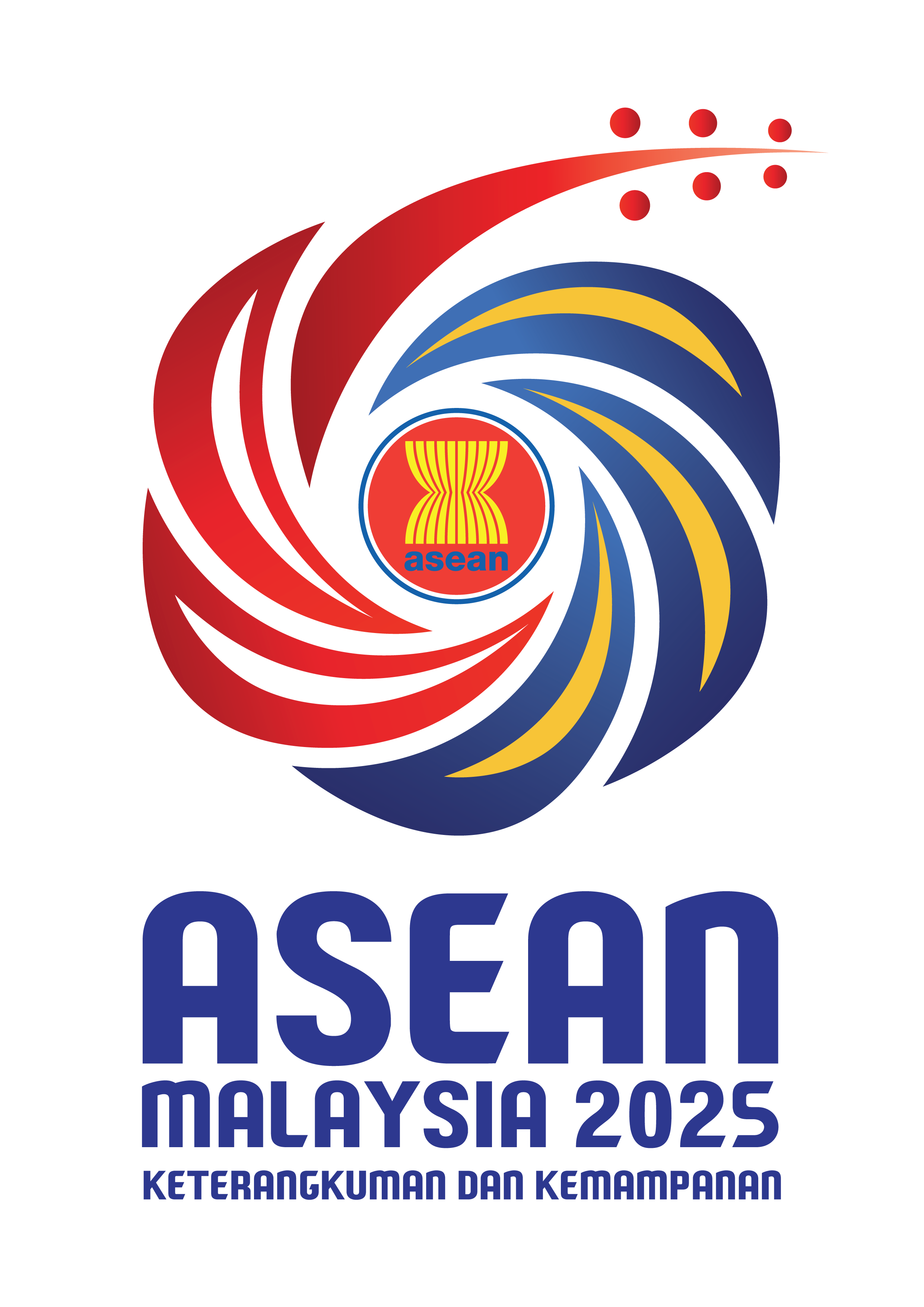
The ASEAN Chairmanship 2025 logo was officially introduced by the Prime Minister, YAB. Dato' Seri Anwar bin Ibrahim , during the Closing Ceremony of the 44th and 45th ASEAN Summits in Vientiane, Lao PDR, on 11 October 2024.
Cultural Representation
The logo is inspired by the Hibiscus (Hibiscus rosa-sinensis), Malaysia’s national flower, which can also be found in all ASEAN Member States (AMS). This flower symbolises the region’s rich culture, unity, and identity.
The colors used in the logo (blue, red, yellow, and white) represent the primary colors of the flags of all AMS.
The stigma of the flower pointing to the right symbolises Malaysia’s role as Chair, driving ASEAN forward. The core values of Malaysia MADANI, i.e. Sustainability, Compassion, Respect, Innovation, Prosperity, and Trust, are represented by the 6 dots at the tip of the flower’s stigma. These values serve as the foundation for Malaysia’s vision as ASEAN Chair.
The inward-curving five petals surrounding the ASEAN logo reflect inclusivity, reinforcing Malaysia’s vision for a peaceful, stable, and prosperous ASEAN region.
The Hibiscus represents the region’s rich biodiversity, symbolising ASEAN’s commitment to sustainability. The circular movement of the petals surrounding the ASEAN logo illustrates ASEAN’s collective efforts to achieve long-term sustainability for the region and its people.
The ASEAN logo at the centre represents ASEAN centrality.
Theme: Inclusivity and Sustainability
Meaning of the Theme
It reflects Malaysia’s aspiration for truly shared progress, ensuring that no one is left behind. It emphasises the belief that ASEAN is committed to strengthening regional peace, stability, and prosperity within an inclusive, sustainable, and forward-looking framework.
The lead ministry for the (3) main pillars under the ASEAN Socio-Cultural Community :
- Political and Security
- Economic
- Socio-Cultural
Ministry of Foreign Affairs (KLN)
Ministry of Investment, Trade and Industry (MITI)